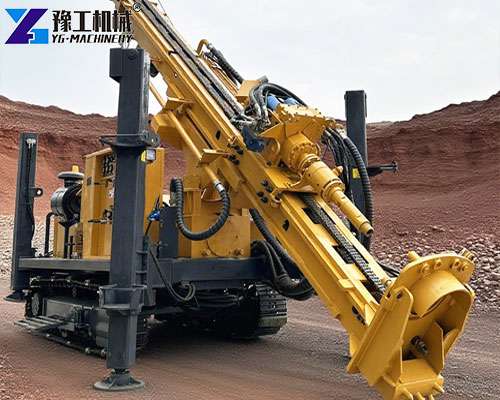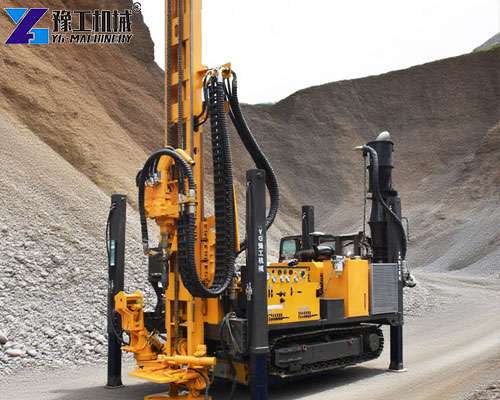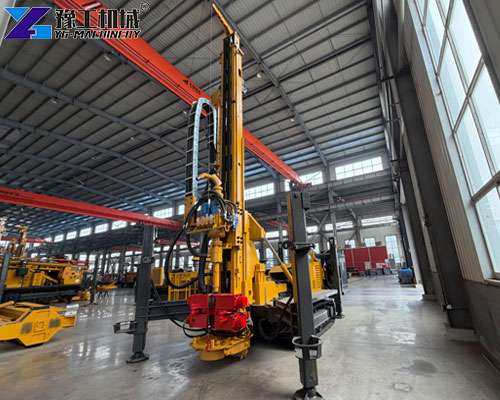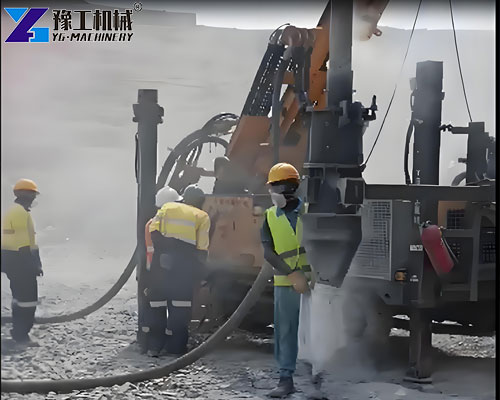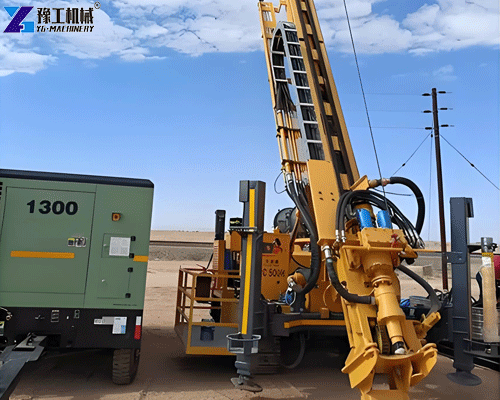
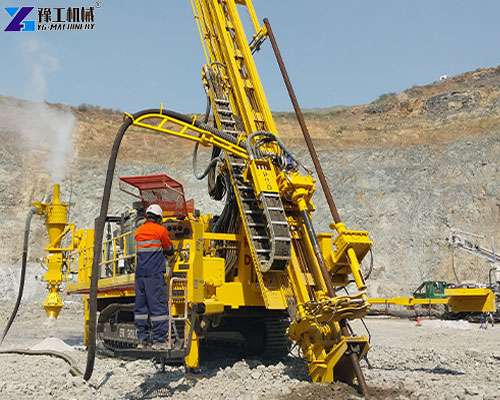
Gold exploration projects across Africa are often carried out in extremely challenging environments. Mining contractors frequently face hard rock formations, remote transportation routes, unstable geological conditions, dusty drilling environments, and limited water supply. Under these conditions, traditional drilling methods may suffer from slow penetration rates, poor sample accuracy, high operating costs, and unstable drilling performance.
To improve exploration efficiency and reduce operational risks, more mining companies are turning to reverse circulation drilling rigs for gold exploration projects in African mining regions.
Compared with conventional drilling systems, RC drilling rigs provide faster drilling speed, cleaner geological samples, lower water consumption, and stronger adaptability in complex formations. These advantages make reverse circulation drilling one of the most efficient drilling methods for gold exploration in countries such as Guinea, Ghana, Burkina Faso, Zimbabwe, and Mali.
Common Challenges in African Gold Exploration Projects
African mining environments often contain mixed geological formations and harsh working conditions that place strict demands on drilling equipment.
Mining contractors commonly face:
- Hard rock formations with high drilling resistance
- Loose or fractured formations causing borehole collapse
- Dust-heavy drilling environments
- High-temperature operating conditions
- Remote mining sites with difficult transportation
- Limited water supply in arid regions
- High labor intensity during continuous drilling operations
These challenges can significantly reduce drilling efficiency and increase exploration costs if the drilling equipment is not properly configured.
Why Reverse Circulation Drilling Performs Better in African Mining Conditions?
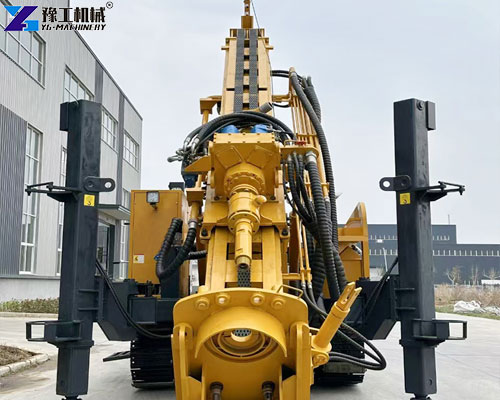
Reverse circulation drilling rigs are designed specifically for efficient mineral exploration in complex geological environments.
Using compressed air circulation and a dual-wall drill pipe system, rock cuttings are transported through the inner pipe directly to the surface. This process greatly improves sample recovery accuracy while maintaining fast drilling penetration in hard rock formations.
Compared with traditional rotary drilling methods, RC drilling offers several important advantages for African mining projects:
✔ Faster drilling speed in hard rock formations
✔ Cleaner and uncontaminated geological samples
✔ Lower water consumption during drilling
✔ Reduced downtime and maintenance costs
✔ Strong adaptability in remote mining environments
✔ Improved drilling stability in fractured formations
👉 These advantages are especially important for gold exploration projects where accurate sample analysis directly affects resource evaluation and mining decisions.
High-Pressure Air Compressor System Improves Drilling Efficiency
The air compressor system is one of the most important supporting components in reverse circulation drilling operations.
RC drilling relies on high-pressure compressed air to drive the reverse circulation hammer and transport rock cuttings through the dual-wall drill pipe system. Stable airflow and sufficient air volume are essential for maintaining drilling efficiency and sample recovery quality.
A properly matched air compressor helps:
- Increase drilling penetration speed
- Improve sample return efficiency
- Reduce cuttings blockage inside the borehole
- Maintain stable drilling pressure
- Improve drilling performance in deep-hole exploration projects
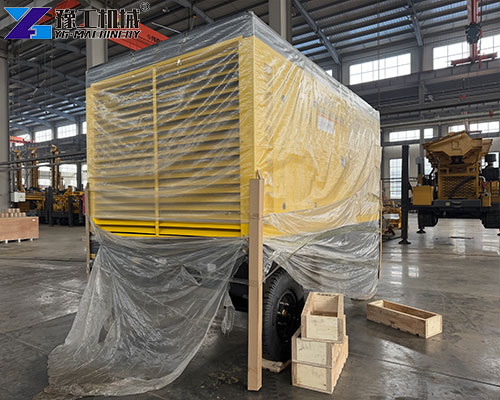
For hard rock gold exploration projects in Africa, mining contractors commonly use high-pressure crawler air compressors to ensure reliable drilling performance in remote and rugged mining environments.
👉 Proper air compressor matching is critical for achieving stable and efficient RC drilling operations.
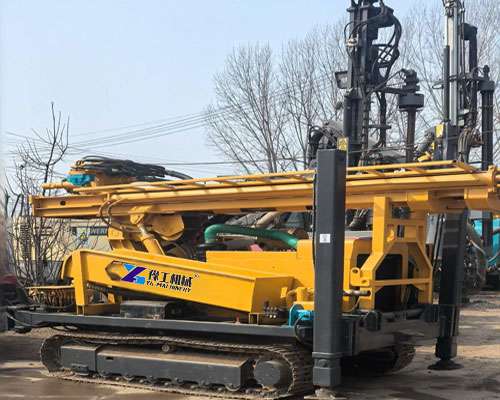
Steel Crawler Chassis Improves Mobility in Rugged Terrain
Many African gold exploration projects are located in mountainous areas, muddy roads, or remote mining zones with poor transportation conditions.
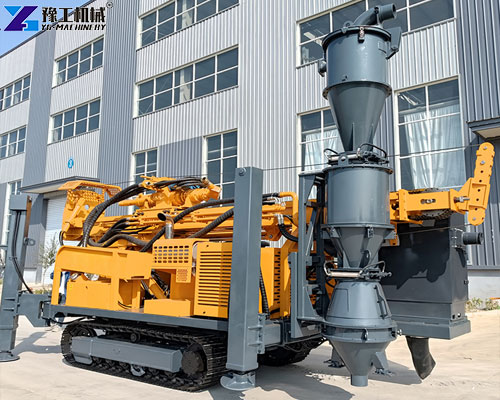
To improve off-road mobility and drilling stability, modern RC drilling rigs are often equipped with heavy-duty steel crawler chassis systems.
Crawler-mounted drilling systems provide:
- Better traction in rough terrain
- Improved mobility in muddy and rocky mining roads
- Stronger climbing capability in mountainous areas
- More stable drilling operation on uneven ground
- Easier transportation between drilling locations
Steel crawler air compressor systems can also work together with RC drilling rigs to create a complete mobile drilling solution for remote exploration projects.
👉 Strong mobility is especially important in African mining projects where road conditions are often extremely challenging.
Dual-Wall Drill Pipe System Improves Sample Accuracy
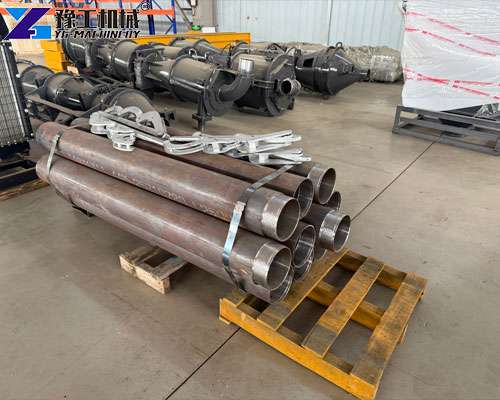
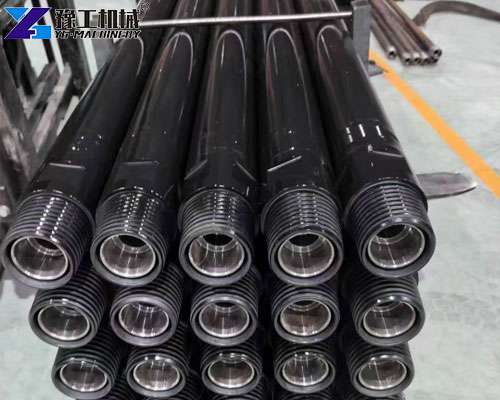
The dual-wall drill pipe system is one of the core technologies of reverse circulation drilling.
Compressed air travels down through the outer annulus, while rock cuttings return to the surface through the sealed inner tube. This circulation method prevents contamination from external materials and ensures accurate sample recovery from specific drilling depths.
Benefits of the dual-wall drill pipe system include:
- Cleaner geological samples
- Higher mineral analysis accuracy
- Reduced sample contamination risk
- Improved drilling efficiency
- Stable airflow circulation during drilling
👉 Accurate sample recovery is critical in African gold exploration projects where ore grade evaluation directly impacts investment decisions.
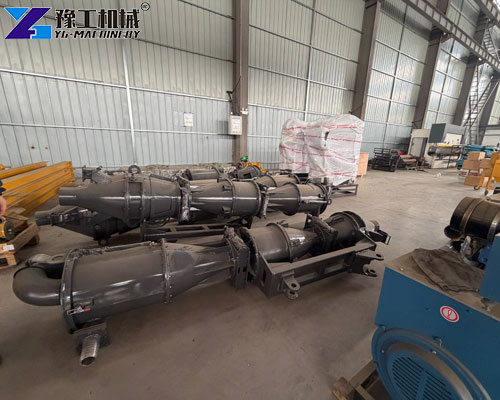
Integrated Cyclone Separation System Improves Dust Control
Dust-heavy drilling environments are very common in African mining regions, especially in dry and high-temperature areas.
To improve working conditions and sample collection quality, modern RC drilling rigs are equipped with integrated cyclone separation systems and dust collection devices.
These systems help:
- Efficiently separate rock cuttings and dust
- Improve sample collection quality
- Reduce environmental pollution during drilling
- Protect drilling equipment from excessive dust accumulation
- Improve visibility and operational safety on-site
👉 Better dust control also helps reduce maintenance requirements and improve long-term drilling reliability.
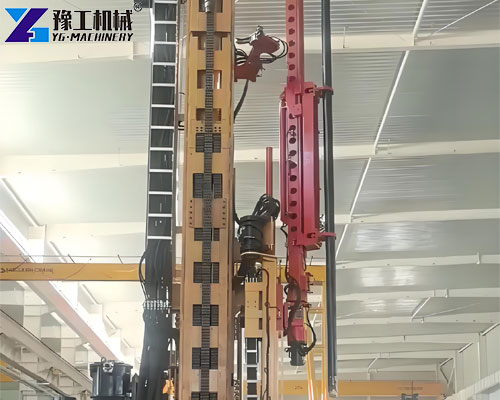
Automatic Rod Handling System Reduces Labor Intensity
Continuous drilling operations in remote mining areas often require high labor intensity and long working hours.
Modern reverse circulation drilling rigs can be equipped with hydraulic automatic rod handling systems to improve drilling efficiency and operational safety.
The automatic rod handling system provides:
- Faster drill pipe loading and unloading
- Reduced manual labor intensity
- Improved drilling safety
- Reduced downtime during drilling operations
- Higher overall drilling efficiency
👉 In African mining projects, automatic rod handling systems are becoming increasingly important because they help improve productivity under continuous heavy-duty drilling conditions.
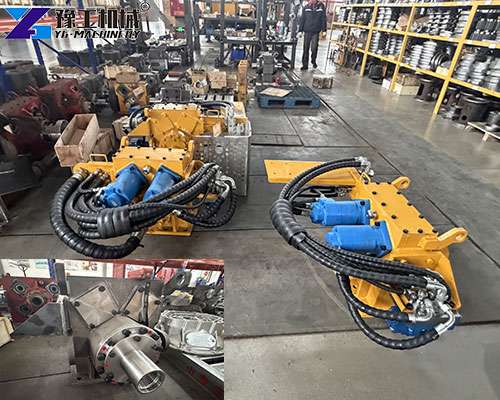
Hydraulic System Improves Stability and Drilling Performance
Hydraulic performance is extremely important for RC drilling rigs operating in hard rock and rugged mining terrain.
A reliable hydraulic system helps maintain:
- Stable drilling pressure
- Smooth rotary operation
- Consistent feed force and lifting force
- Better drilling control in complex formations
Modern hydraulic RC drilling rigs also provide stronger adaptability in mountainous mining areas and remote off-road conditions.
👉 Stable hydraulic performance significantly improves drilling reliability in high-temperature African mining environments.
Casing Systems Help Prevent Borehole Collapse
Although many African mining regions contain hard rock formations, loose soil, weathered layers, and fractured geological zones are also very common.
In unstable formations, borehole collapse can lead to:
- Drill pipe sticking
- Poor sample recovery
- Air leakage during drilling
- Increased downtime and maintenance costs
To solve these problems, RC drilling rigs can be equipped with casing systems that protect borehole walls during drilling operations.
Benefits of casing systems include:
- Improved borehole stability
- Reduced collapse risk in loose formations
- Better drilling continuity
- Improved sample recovery quality
- More stable drilling operations in fractured zones
👉 Casing systems are especially important in gold exploration projects where weathered formations are common near the surface layer.
Lightweight Alloy Drill Bits Improve Drilling Efficiency
The performance of the drill bit directly affects penetration speed and drilling stability.
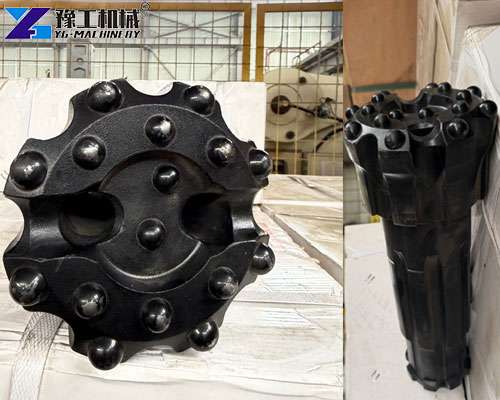
Modern RC drilling rigs often use high-strength alloy drill bits designed for hard rock mineral exploration.
Advantages include:
- Higher wear resistance
- Faster drilling penetration
- Longer service life
- Better adaptability in abrasive formations
- Reduced drilling tool replacement frequency
👉 High-quality alloy drill bits help improve drilling efficiency and reduce operating costs in demanding mining environments.
Complete RC Drilling Solution for African Mining Projects
A professional reverse circulation drilling project requires more than just a drilling rig. To achieve stable and efficient drilling performance, mining contractors often need a complete drilling system solution.
A typical RC drilling solution may include:
- Reverse circulation drilling rig
- High-pressure air compressor
- Steel crawler compressor carrier
- Dual-wall drill pipes
- Reverse circulation hammer
- Alloy drill bits
- Integrated cyclone separator
- Automatic rod handling system
- Hydraulic control system
- Casing system for unstable formations
- Auxiliary drilling tools and lifting equipment
👉 Integrated drilling systems help improve overall exploration efficiency while reducing operational risks in complex mining environments.
Ideal for Remote & Water-Scarce Mining Areas
Many African gold exploration projects are located in remote regions where water resources are limited and transportation conditions are difficult.
Unlike mud drilling systems, reverse circulation drilling primarily relies on compressed air circulation instead of large amounts of water.
This provides several advantages:
- Lower water consumption
- Easier operation in remote areas
- Reduced environmental impact
- Simpler drilling system maintenance
- Better adaptability in arid mining regions
👉 This is one of the key reasons why RC drilling rigs are widely used in African gold exploration projects.
Why Mining Contractors Choose RC Drilling for Gold Exploration?
Mining contractors choose reverse circulation drilling because it combines:
- Fast penetration speed
- Accurate sample recovery
- Stable drilling performance
- Lower operational cost
- Strong adaptability in complex geological conditions
- Efficient drilling in hard rock formations
For gold exploration projects where drilling efficiency and sample accuracy directly influence project profitability, RC drilling has become one of the most reliable and cost-effective exploration methods.
Conclusion
African gold exploration projects require drilling equipment capable of operating efficiently under harsh geological and environmental conditions. Reverse circulation drilling rigs provide a reliable solution for hard rock drilling, accurate sample collection, and stable operation in remote mining environments.
By combining advanced technologies such as dual-wall drill pipes, hydraulic automatic rod handling systems, integrated cyclone separators, casing systems, high-pressure air compressors, steel crawler chassis, and high-performance alloy drill bits, modern RC drilling rigs can significantly improve exploration efficiency and reduce operational risks.
For mining contractors seeking faster drilling speed, cleaner samples, and better drilling stability in African gold exploration projects, reverse circulation drilling remains one of the most effective drilling solutions available today.