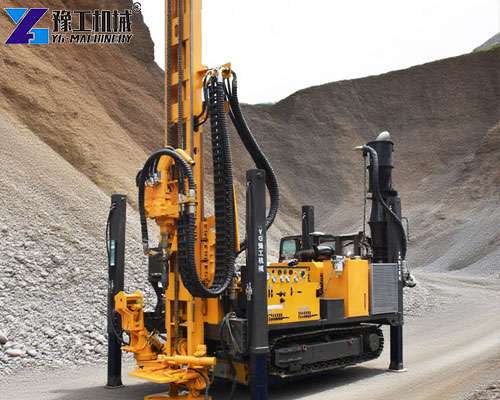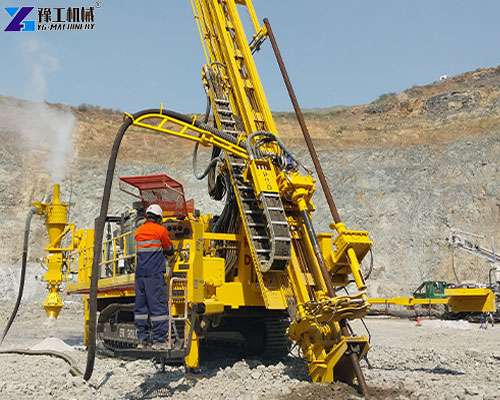
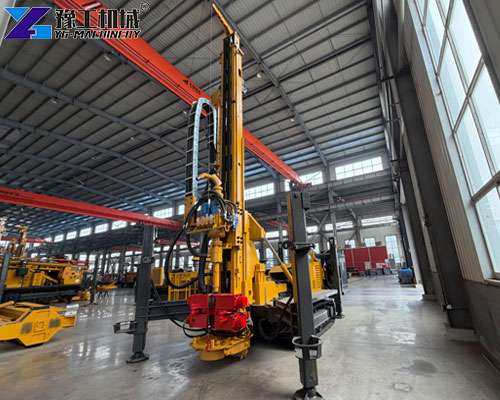
Borehole collapse is one of the most common and costly problems in reverse circulation drilling projects. In mineral exploration, unstable boreholes can lead to drill pipe sticking, poor sample recovery, interrupted drilling operations, and even serious equipment damage. These issues are especially common in loose soil, fractured rock formations, gravel layers, and water-bearing geological zones.
For mining contractors working in African gold exploration, iron ore projects, or complex geological environments, maintaining borehole stability is essential for improving drilling efficiency and reducing operating costs.
This article explains the main causes of borehole collapse in RC drilling and introduces practical solutions, including casing systems, dual-wall drill pipes, RC hammers, air pressure control, and drilling support equipment.
Why Does Borehole Collapse Happen in RC Drilling?
Reverse circulation drilling rigs are widely used in hard rock mineral exploration because of their fast penetration speed and accurate sample recovery. However, when drilling through unstable formations, the borehole wall may lose support and collapse.
Common geological conditions that easily cause borehole instability include:
- Loose sand and gravel formations
- Clay and weathered layers
- Fractured geological zones
- Water-bearing formations
- Soft overburden above hard rock
In these conditions, unstable borehole walls may collapse into the drilling hole, causing serious drilling problems.
Typical signs of borehole collapse include:
- Difficulty lifting or lowering drill rods
- Increased air leakage during drilling
- Poor sample return
- Frequent drill pipe sticking
- Reduced drilling efficiency
- Abnormal vibration during drilling operations
👉 If these problems are not solved in time, they may lead to major downtime and increased drilling costs.
How RC Drilling Equipment Helps Improve Borehole Stability?
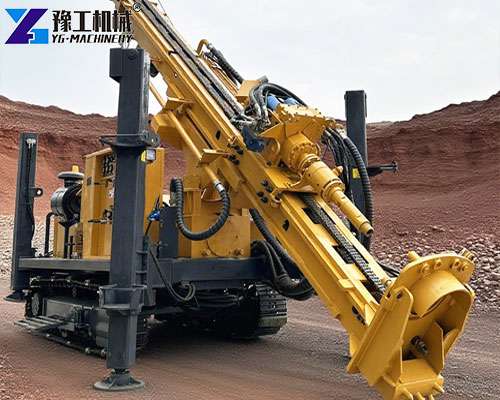
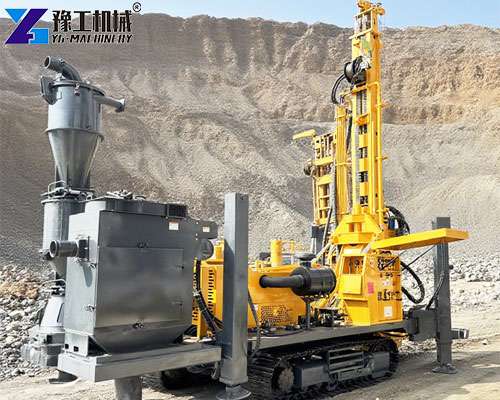
Modern reverse circulation drilling systems are designed not only for fast drilling but also for maintaining stable borehole conditions in complex geology.
A complete RC drilling system usually includes:
- Reverse circulation drilling rig
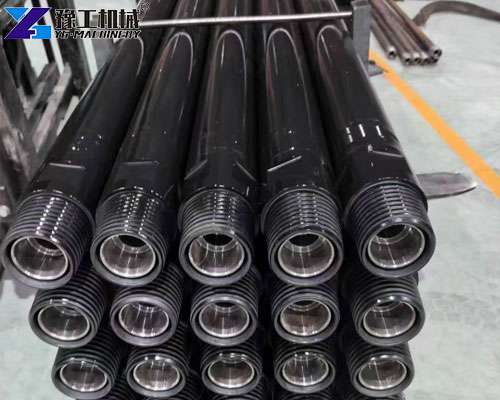
- Dual-wall drill pipe system
- Reverse circulation hammer
- RC drill bits
- Air compressor system
- RC flushing and cleaning device
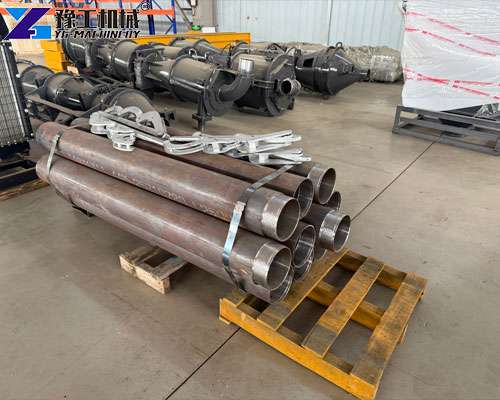
- Casing system for unstable formations
- Drill rod lifting tools and support equipment
Each component plays an important role in improving drilling stability and preventing borehole collapse.
1. Use a Casing System in Loose or Unstable Formations
One of the most effective ways to prevent borehole collapse is using a casing system during drilling operations.
In loose soil, fractured rock, or gravel formations, protective casing pipes can support the borehole wall and prevent surrounding materials from collapsing into the hole.
The casing system is especially important in:
- Loose overburden layers
- Sand and gravel formations
- Water-bearing zones
- Highly fractured geological conditions
By protecting the borehole wall, casing systems help maintain stable drilling operations and improve sample recovery quality.
👉 In African mining projects, casing is commonly used during gold exploration drilling where weathered formations and unstable soil conditions are present near the surface.
2. Maintain Stable Air Pressure During RC Drilling
Air pressure plays a critical role in reverse circulation drilling stability.
The RC drilling rig uses compressed air circulation to transport rock cuttings through the inner tube of the dual-wall drill pipe. If air pressure becomes unstable or insufficient, cuttings may accumulate inside the borehole and increase the risk of collapse.
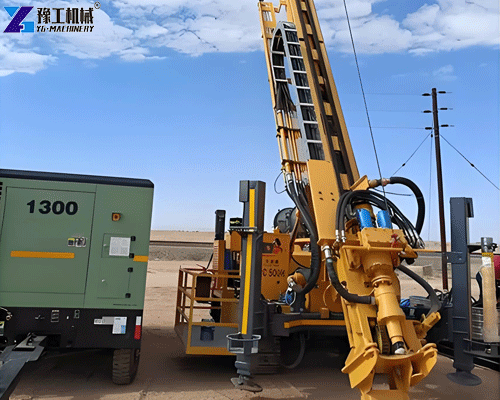
To maintain efficient circulation, the drilling system should be equipped with:
- High-pressure air compressor
- Stable airflow control system
- Properly matched air consumption capacity
Correct air pressure helps:
- Remove cuttings efficiently
- Reduce borehole blockage
- Improve drilling penetration
- Maintain stable borehole conditions
👉 Proper compressor selection is extremely important for deep-hole RC drilling projects.
3. Choose High-Quality Dual-Wall Drill Pipes
The dual-wall drill pipe is the core component of the reverse circulation drilling system.
Compared with conventional drill rods, dual-wall drill pipes provide sealed sample transportation through the inner pipe while compressed air circulates through the outer annulus.
Benefits of high-quality dual-wall drill pipes include:
- More stable airflow circulation
- Reduced air leakage
- Better sample recovery
- Improved drilling efficiency
- Lower risk of borehole blockage
High-strength drill pipes also improve durability during hard rock drilling operations.
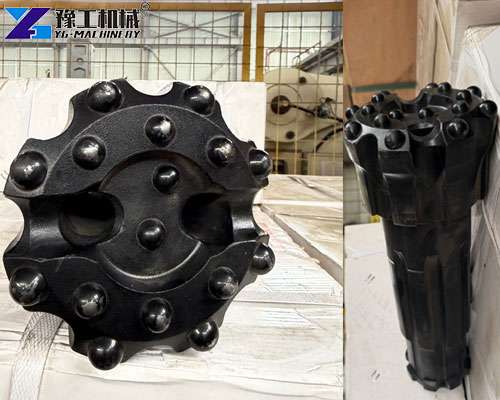
4. Select the Correct RC Hammer and Drill Bit
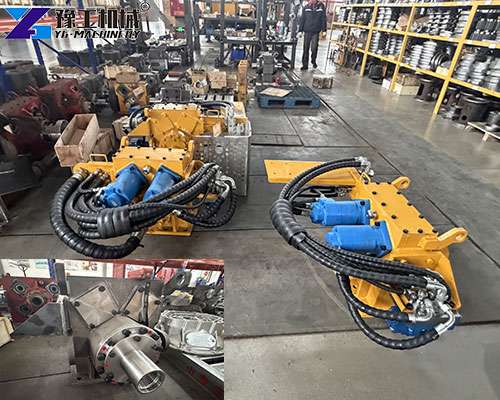
Different geological formations require different reverse circulation hammers and drill bits.
In unstable or fractured formations, selecting the wrong hammer may increase vibration and cause additional borehole instability.
A suitable RC drilling hammer should provide:
- Stable impact performance
- Efficient cuttings discharge
- Reduced vibration during drilling
- Strong adaptability in complex geology
The drill bit should also match:
- Rock hardness
- Hole diameter
- Air pressure requirements
- Formation conditions
👉 Proper hammer and bit matching can significantly improve drilling stability and reduce collapse risk.
5. Use RC Flushing & Cleaning Devices
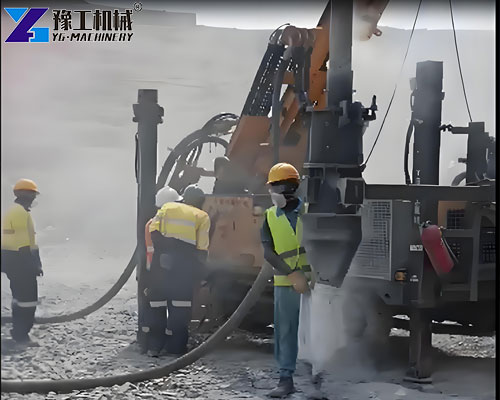
During drilling operations, rock cuttings and dust accumulation inside the borehole can affect airflow circulation and increase instability.
An RC flushing and cleaning system helps:
- Remove accumulated cuttings
- Maintain smooth air circulation
- Improve sample collection efficiency
- Reduce drilling interruptions
Efficient borehole cleaning is particularly important during deep-hole mineral exploration projects.
6. Improve Operational Safety with Rod Handling Equipment
In difficult drilling environments, manual rod handling may reduce drilling efficiency and increase operational risks.
Modern reverse circulation drilling rigs can be equipped with:
- Automatic rod handling systems
- Drill rod lifting tools
- Drill pipe pulling devices
These systems help:
- Reduce manual labor intensity
- Improve drilling safety
- Speed up pipe loading and unloading
- Reduce downtime during drilling operations
👉 Automatic rod handling systems are becoming increasingly popular in African mining projects because they improve efficiency under continuous heavy-duty drilling conditions.
Best Geological Conditions for RC Drilling
Reverse circulation drilling rigs perform effectively in various geological conditions, including:
- Hard rock formations
- Gold and mineral exploration zones
- Fractured rock formations
- Deep-hole sampling projects
- Complex mining environments
When combined with casing systems and proper drilling support equipment, RC drilling rigs can also maintain stable performance in loose and collapsing formations.
Why RC Drilling Is Widely Used in African Mining Projects?
Reverse circulation drilling is widely used in African mining regions because it combines:
- Fast drilling speed
- Accurate sample recovery
- Low water consumption
- Strong adaptability in remote areas
- High drilling efficiency in hard rock formations
Countries such as Guinea, Ghana, Burkina Faso, and Zimbabwe often contain mixed geological conditions, including weathered layers, fractured zones, and hard rock formations. This makes borehole stability a critical factor during mineral exploration drilling.
Conclusion
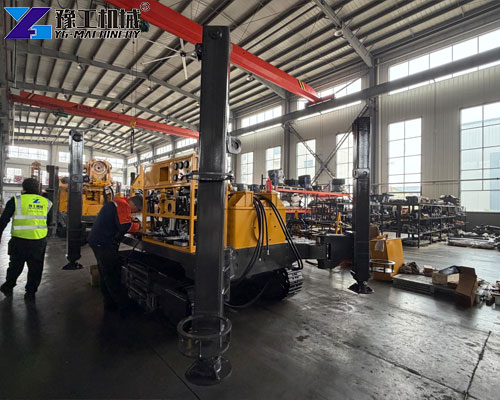
Preventing borehole collapse in RC drilling requires more than powerful drilling equipment. Stable drilling performance depends on the correct combination of reverse circulation drilling rigs, dual-wall drill pipes, RC hammers, drill bits, air compressors, flushing systems, and casing support equipment.
For loose or unstable formations, casing systems play a vital role in protecting borehole walls and maintaining continuous drilling operations.
By selecting the right RC drilling solution and matching drilling tools properly, mining contractors can significantly improve drilling stability, reduce downtime, and achieve more efficient mineral exploration results.