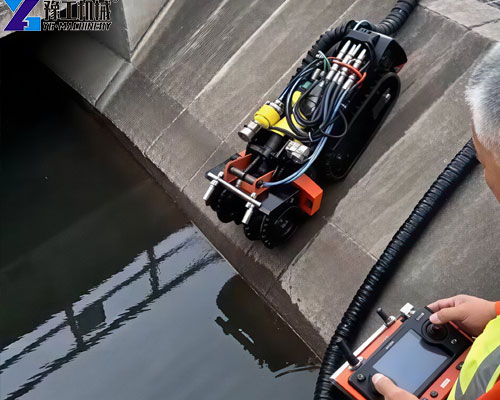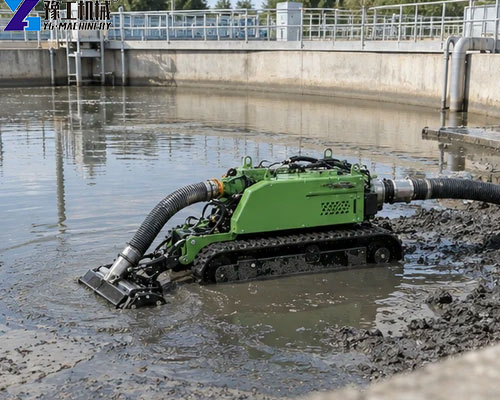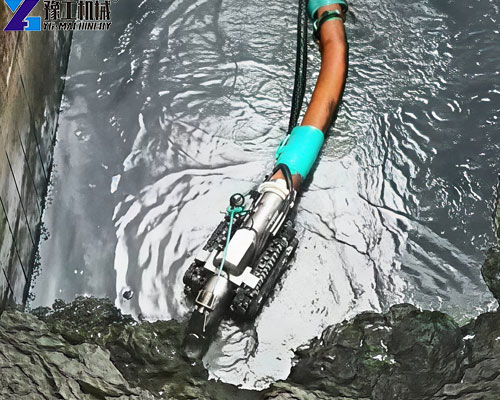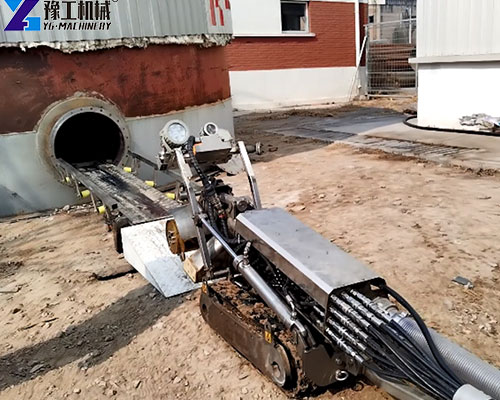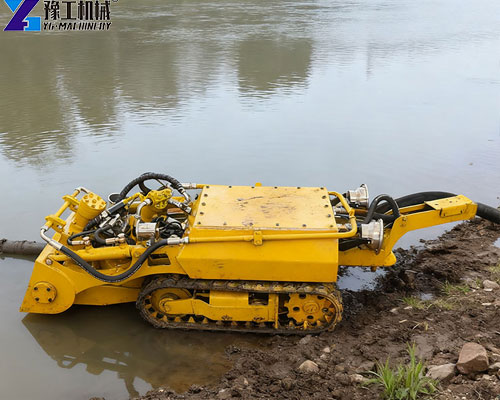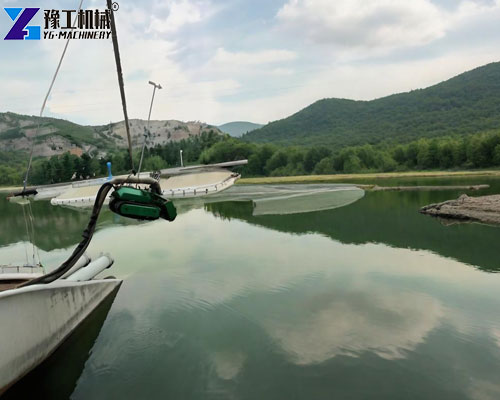
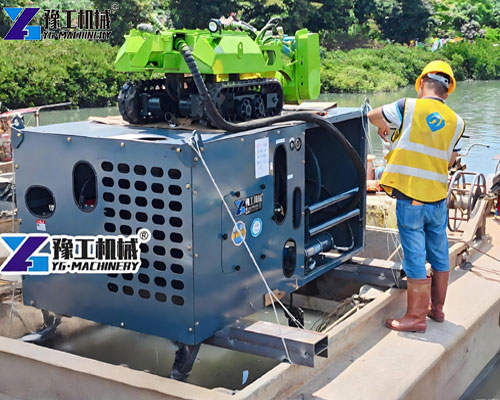
A dredging robot for lake cleaning can help remove accumulated silt and sediment from lakes, ponds, and reservoirs where conventional dredging equipment may be difficult or costly to deploy. YG Machinery has supplied crawler dredging robots and remote-controlled dredging equipment to customers in European markets, including Poland and Spain, for lake maintenance and sediment removal.
In one project in Warsaw, Poland, a municipal client purchased dredging robots for a 5-hectare urban lake. The previous manual cleaning process required 10 workers over 15 days. According to the project results provided, the use of dredging robots increased cleaning efficiency by 60%.
This article introduces the equipment options, key selection considerations, and European customer experiences that can help lake owners, municipalities, and contractors evaluate a suitable lake cleaning solution.
Dredging Robot Specifications for Lake Cleaning
YG Machinery offers several crawler dredging robot models for different sediment removal requirements. Model selection depends on the lake conditions, required dredging width, sediment properties, pumping distance, and access limitations.
| Parameter | YG450 | YG500 | YG600 | YG700 | YG800 | YG900 | YG1200 |
| Robot Dimensions (mm) | ≤1700 × 450 × 450 | 1500 × 500 × 650 | 1500 × 600 × 650 | 1600 × 700 × 650 | 1600 × 850 × 700 | 1650 × 960 × 750 | 1900 × 1200 × 750 |
| Applicable Manhole / Access | ≥600 mm opening | ≥600 mm opening | ≥600 mm opening | ≥700 mm opening | ≥800 mm opening | ≥900 mm opening | Large culvert / open access |
| Dredging Width (mm) | 450 | 500 | 600 | 700 | 800 | 900 | Suitable for large culverts |
| Travel Speed (m/min) | 3–12 | 3–15 | 3–15 | 3–15 | 3–15 | 3–15 | 3–17 |
| Pump Diameter (inch) | 3 | 3 | 3 | 4 | 4 | 4 | 4 or 6 |
| Pump Flow (m³/h) | 50 | 100 | 100 | 160 | 160 | 200 | 250 |
| Pump Head (m) | 0-30 | 0–30 | 0–30 | 0–25 | 0–25 | 0–25 | 0–30 (Horizontal: 100–150 m) |
| Hydraulic Station Dimensions (mm) | 2000 × 1100 × 1500 (recommended) | 2200 × 1200 × 1700 | 2200 × 1200 × 1700 | 2200 × 1200 × 1700 | 2200 × 1200 × 1700 | 2200 × 1200 × 1700 | 2120 × 1240 × 1200 |
| Main Motor Power (kW) | 11–15 kW | 18 | 18 | 22 | 22 | 22 | 45 kW (50 kW) / Diesel 76 kW (123 kW) |
| Hydraulic System Pressure (MPa) | 0–16 | 0–16 | 0–16 | 0–16 | 0–16 | 0–16 | Custom / high-pressure system |
| Particle Size Capacity (mm) | ≤10–20 mm (soft sludge) | 15 | 15 | 40 | 40 | 50 | 0–40 (customizable) |
| Winch Speed (r/min) | 0–10 | 0–10 | 0–10 | 0–10 | 0–10 | 0–10 | 0–10 |
| Pipe Length (m) | 20–30 optional | 30–50 optional | 30–50 optional | 30–50 optional | 30–50 optional | 30–50 optional | 30 m/pack, high-pressure resistant |
| Control System | Wireless Remote Control | Wireless Remote | Wireless Remote | Wireless Remote | Wireless Remote | Wireless Remote | Wireless Remote |
| Lighting System | Underwater LED ×2 | Underwater LED ×2 | Underwater LED ×2 | Underwater LED ×2 | Underwater LED ×2 | Underwater LED ×2 | Underwater LED ×2 |
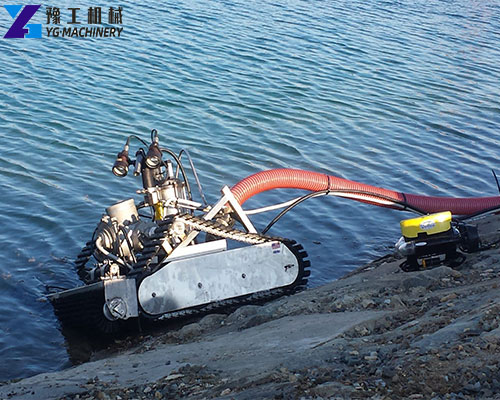
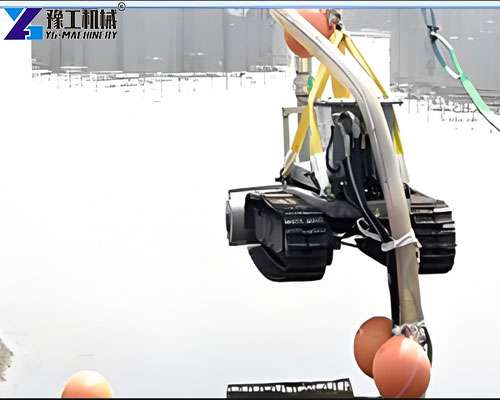
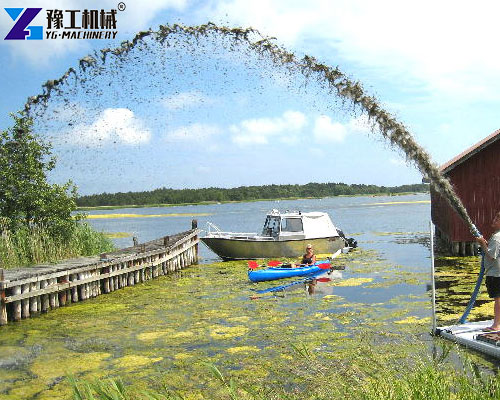
Why Use a Dredging Robot for Lake Cleaning?
Lake owners and maintenance contractors need to remove accumulated sediment while controlling labor, equipment costs, and environmental disturbance.
1. Restore Usable Water Depth
Accumulated silt, organic matter, and other sediment can reduce lake depth and water storage capacity. A dredging robot can loosen and pump suitable sediment from targeted areas, helping restore usable depth.
2. Clean Lakes with Restricted Access
Large dredging vessels and conventional excavation equipment may be impractical for small lakes, ponds, and sites with limited access. A compact crawler dredging robot can provide a flexible option, depending on water depth, bottom conditions, and pipeline distance.
3. Reduce Manual Work and Manage Environmental Impact
Remote-controlled operation can reduce the need for workers to enter the water during sediment removal. Proper equipment selection and dredging control can also help manage sediment disturbance, although turbidity and environmental impacts depend on site conditions.
European Customer Cases: Dredging Robots for Lake Cleaning
Case 1: Municipal Lake Cleaning in Warsaw, Poland
A municipal client in Warsaw, Poland, purchased a crawler dredging robot and remote-controlled dredging equipment for a 5-hectare urban lake.
The previous manual cleaning process required 10 workers over 15 days. After deploying the dredging robots, the project reported a 60% increase in cleaning efficiency.
The customer also reported noticeable water quality improvement within one week and reduced noise and disturbance during the cleaning work. Following the project, the client ordered two additional underwater dredging robots for nearby lakes.
Project highlights
- Application: Urban lake sediment removal
- Location: Warsaw, Poland
- Lake area: 5 hectares
- Previous manual workforce: 10 workers
- Previous cleaning period: 15 days
- Reported efficiency improvement: 60%
- Follow-up order: Two additional underwater dredging robots
These figures describe the reported project results, not a guaranteed performance level for every lake cleaning application. Actual results vary with sediment conditions, operating hours, equipment configuration, and the method used to measure productivity.
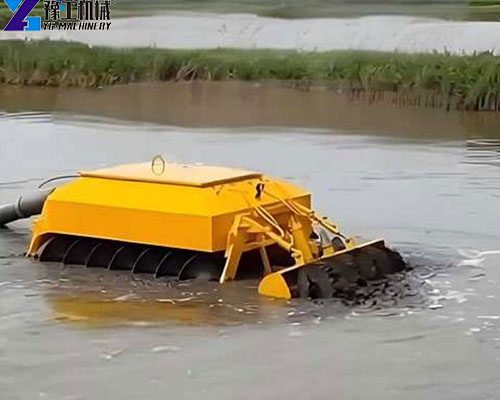
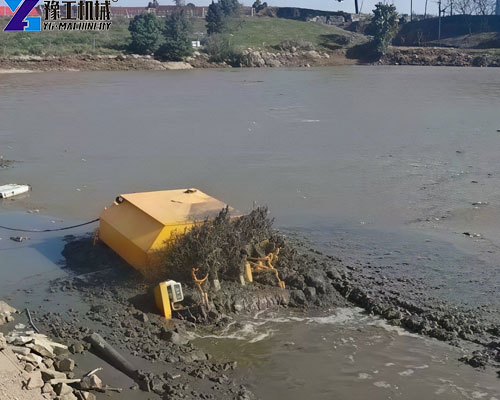
Case 2: Pond Cleaning at a Resort in Southern Spain
A private resort in southern Spain invested in a remote-controlled dredging robot to maintain multiple decorative ponds.
The equipment allowed the resort to carry out pond cleaning without relying on additional on-site cleaning staff for the same work. This helped the customer manage routine maintenance more flexibly and reduce the need to arrange external labor.
For resorts and landscaped properties, the appropriate dredging solution should be selected according to pond size, access conditions, sediment thickness, and the need to maintain the surrounding environment.
Factory Visits and Equipment Inspection
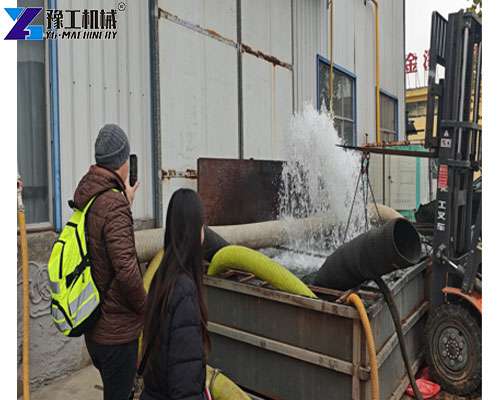
YG Machinery also receives prospective customers who want to inspect dredging equipment before purchasing. A factory visit allows buyers to review the machine’s structure, discuss technical requirements, and confirm the configuration needed for their project.
For overseas buyers, it is useful to prepare lake dimensions, sediment information, pumping distance, and site photographs before a technical discussion.
YG Machinery’s Dredging Solutions for European Customers
Different lakes require different equipment configurations. YG Machinery offers several types of dredging robots to match site access, sediment conditions, and project requirements.
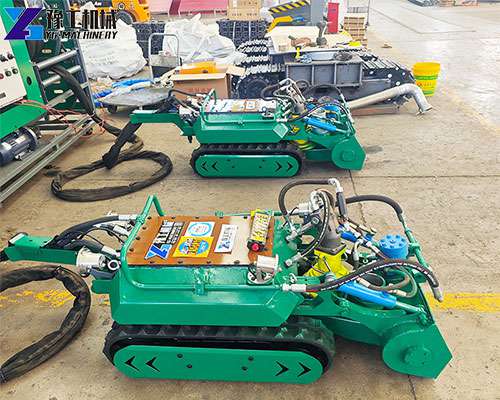
1.Crawler Dredging Robot
A crawler dredging robot moves across suitable lakebed surfaces while carrying out sediment removal. It can be considered for lakes, ponds, and sediment collection areas where a compact, mobile machine is appropriate.
Key considerations include crawler width, bottom stability, water depth, and the consistency of the accumulated material.
2.Remote-Controlled Operation
Wireless remote control allows an operator to control the machine from a suitable position outside the immediate working area.
This arrangement can reduce the need for workers to enter the water during routine operation. Operators must still follow equipment safety procedures and site-specific operating requirements.
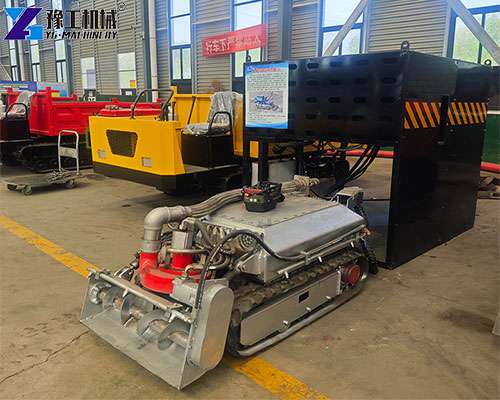
3.Underwater Sediment Removal
An underwater dredging robot works in submerged conditions to remove sediment from the lakebed. The appropriate model depends on the required operating depth, sediment type, pump capacity, and discharge conditions.
Not every model is suitable for every depth or material. Confirm the working limits and configuration before selecting a machine.
What to Consider When Selecting a Dredging Robot for Lake Cleaning?
Before choosing a model, evaluate these key factors:
- Lake size and water depth: Determine the working area and required operating depth.
- Sediment type and thickness: Identify whether the material is soft silt, organic sludge, sand, or a mixture.
- Pump performance: Match the required flow and pumping head to the sediment and discharge pipeline.
- Site access: Check access openings, shore conditions, and equipment installation space.
- Sediment disposal: Confirm the discharge location and any treatment or environmental requirements.
FAQs About Dredging Robots for Lake Cleaning
1. Can a dredging robot clean a shallow lake?
A suitable model may be used in shallow-water applications, depending on its minimum operating depth, crawler design, and pump configuration. The required water depth and lakebed conditions should be confirmed before selecting a machine.
2. What pump capacity is available?
The listed models have rated pump flows ranging from 100 to 250 m³/h. Rated flow is not the same as the volume of sediment removed per hour. Actual output depends on the solids concentration, sediment properties, pipeline resistance, and working conditions.
3. Can a dredging robot remove thick lake sludge?
The suitability of a dredging robot depends on sludge consistency, sediment thickness, particle size, and pump configuration. Provide details about the material to determine whether a standard or customized setup is appropriate.
4. How much labor can a dredging robot save?
Labor savings vary by project. In the Warsaw case described above, the previous manual cleaning process required 10 workers over 15 days, and the project reported a 60% increase in cleaning efficiency after deploying dredging robots. This result should not be treated as a universal benchmark.
5. How do I choose the right dredging robot for my lake?
Provide the lake’s dimensions, water depth, estimated sediment thickness, material type, required cleaning area, and discharge distance. The manufacturer can then assess a suitable model and pumping configuration.
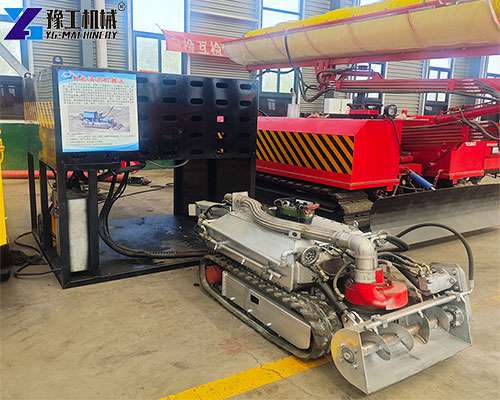
Choose a Dredging Robot for Your Lake Cleaning Project
Whether you manage a municipal lake, a private pond, or a resort water feature, the right dredging robot for lake cleaning should match your sediment conditions, site access, and maintenance objectives.
YG Machinery provides crawler and remote-controlled dredging equipment for suitable lake and pond sediment removal applications. Share your project details to receive a model recommendation based on your working conditions.
For more dredging robot models and application-specific solutions, visit Elephant Dredging’s Dredging Robot Product Page.
Contact us to discuss your lake cleaning requirements and request a suitable dredging solution.