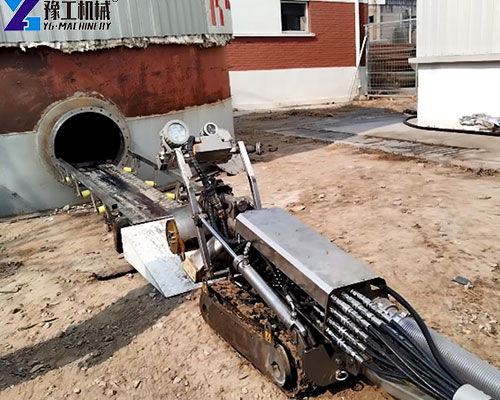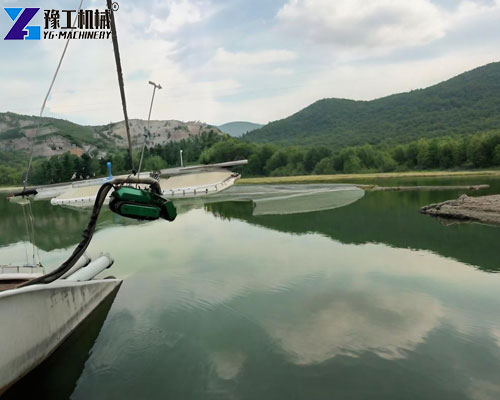
A municipal client in Warsaw, Poland, purchased a YG500 underwater dredging robot from YG Machinery for sediment removal in a 5-hectare urban lake. Compared with the previous manual cleaning process, the project reported a 60% improvement in cleaning efficiency, along with reduced noise and disturbance during operations.
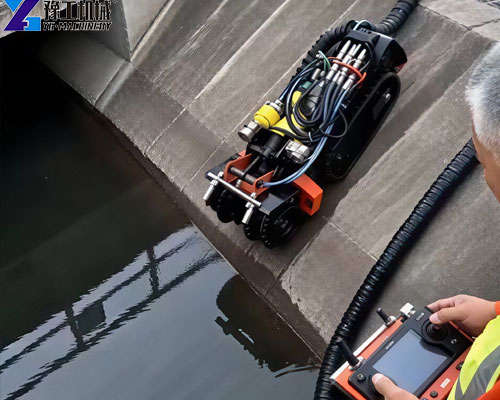
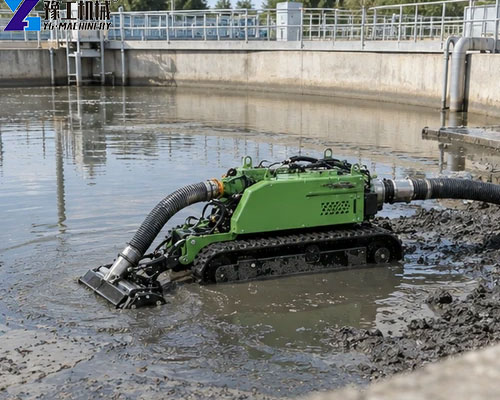
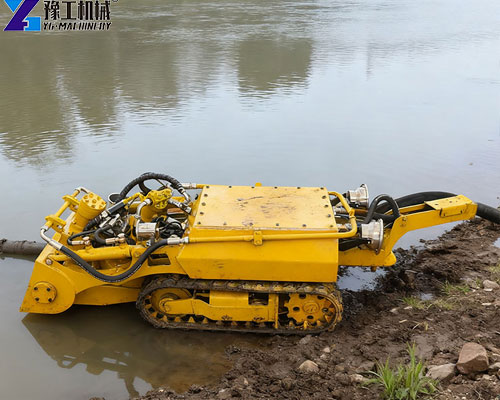
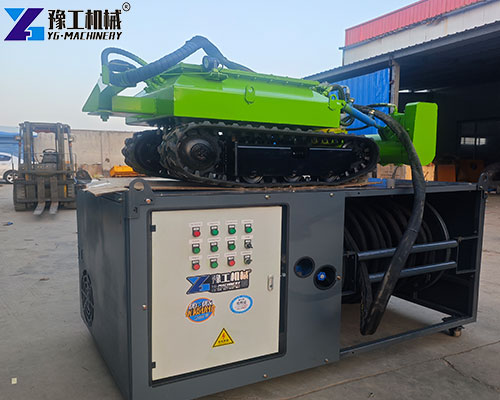
The YG500 crawler dredging robot is designed for remote-controlled underwater sediment removal. With a 500 mm dredging width, a 3-inch pump, and a rated pumping flow of 100 m³/h, it provides a mechanized option for lake maintenance projects.
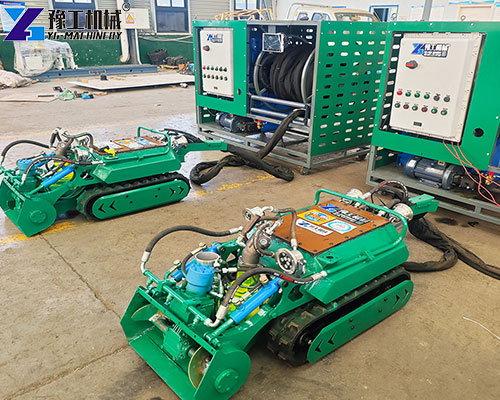
Following the initial project, the customer ordered two additional underwater dredging robots for nearby lakes. The project demonstrates the potential value of matching dredging equipment to the requirements of municipal lake maintenance.
Municipal Lake Cleaning in Warsaw, Poland
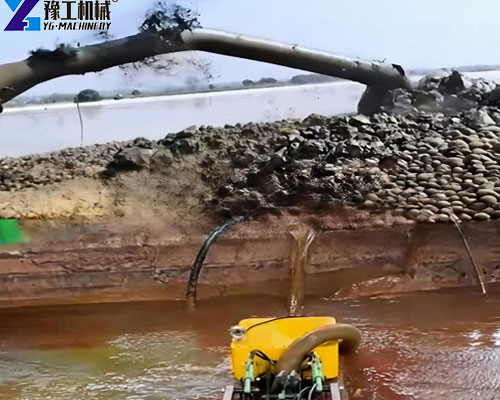
Before purchasing the YG500, the municipal client relied on manual cleaning to remove accumulated sediment from an urban lake. This approach required a team of 10 workers and 15 days to complete the previous cleaning operation.
The customer introduced a crawler dredging robot to improve operational efficiency and reduce reliance on manual work. Following deployment, the customer reported a 60% increase in cleaning efficiency and less noise and disturbance during the cleaning process.
The customer also reported noticeable water quality improvement within one week. After the initial project, the client ordered two additional underwater dredging robots for use at nearby lakes.
Project Highlights
| Project Detail | Information |
|---|---|
| Location | Warsaw, Poland |
| Customer | Municipal client |
| Application | Urban lake sediment removal |
| Lake area | 5 hectares |
| Equipment model | YG500 underwater dredging robot |
| Previous cleaning method | Manual cleaning |
| Previous workforce | 10 workers |
| Previous cleaning period | 15 days |
| Reported efficiency improvement | 60% |
| Reported water quality improvement | Within one week |
| Follow-up order | Two additional dredging robots |
These figures reflect the reported results of this specific project, not guaranteed performance for every lake cleaning application. Actual productivity depends on sediment characteristics, operating hours, equipment configuration, site conditions, and the method used to measure efficiency. The reported water quality improvement should not be interpreted as a verified change in specific water quality indicators without supporting test results.
Why the YG500 Underwater Dredging Robot Was Suitable for Lake Cleaning?
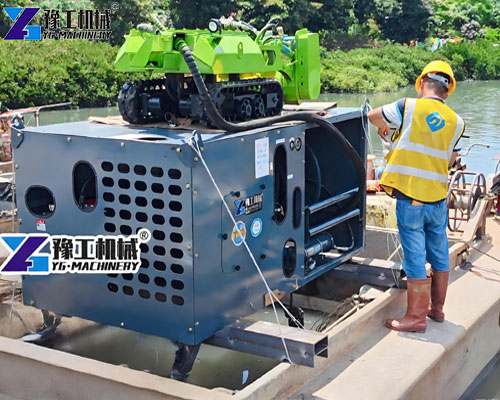
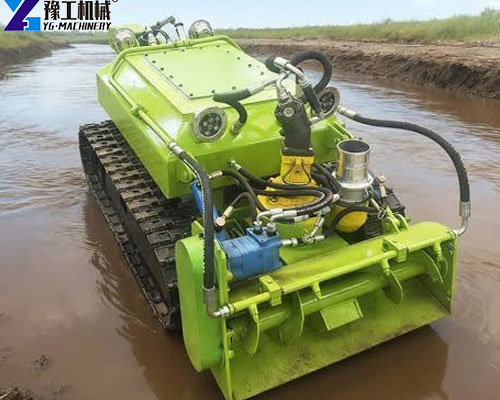
The YG500 combines crawler-based movement, remote control, and a hydraulic pumping system to support underwater sediment removal. Its main features help operators position the equipment and convey collected material to a designated discharge location.
1. Compact Crawler Design
The YG500 measures 1,500 × 500 × 650 mm, with a dredging width of 500 mm. Its compact structure supports maneuvering in suitable underwater working areas.
The robot’s actual accessibility and mobility depend on water depth, lakebed conditions, slopes, and the available access route. Before selecting a model, operators should confirm that the equipment can reach and move through the intended work area.
2. Remote-Controlled Operation
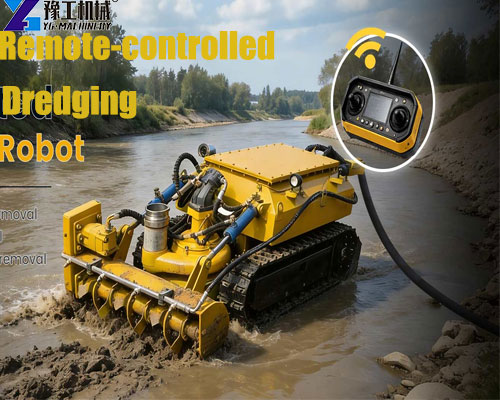
The YG500 uses a wireless remote control system, allowing an operator to control the robot from a suitable operating position.
Remote operation can reduce the need for personnel to perform sediment removal directly in the water. However, safe operation still requires appropriate site assessment, equipment handling procedures, and compliance with applicable safety requirements.
3. Pumping System for Underwater Sediment Removal
The YG500 is equipped with a 3-inch pump, a rated flow of 100 m³/h, and a stated pump head range of 0–30 m.
These specifications provide a starting point for evaluating the equipment for lake sediment removal. Actual pumping performance depends on sediment consistency, solids content, pipeline diameter and length, elevation difference, and system resistance.
The rated flow and maximum pump head should not be assumed to occur simultaneously. The final configuration should be confirmed against the project’s discharge requirements.
4. Underwater LED Lighting
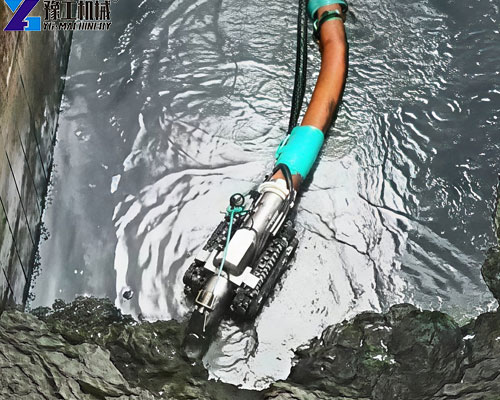
The YG500 is equipped with two underwater LED lights. These lights can help illuminate the working area around the robot when underwater visibility is limited.
Actual visibility depends on water clarity, suspended sediment, lighting conditions, and the equipment’s monitoring configuration.
5. YG500 Underwater Dredging Robot Specifications
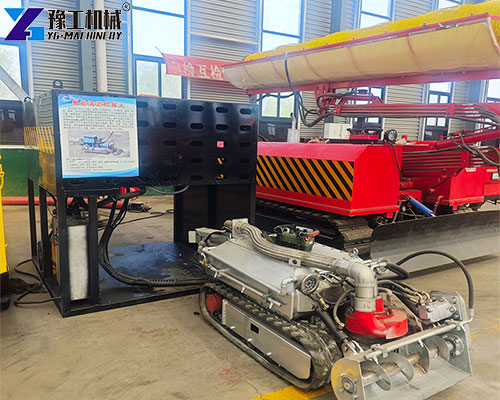
The following table lists the technical specifications of the YG500 purchased for the Warsaw project.
| Parameter | YG500 |
| Robot Dimensions (mm) | 1500 × 500 × 650 |
| Applicable Manhole / Access | ≥600 mm opening |
| Dredging Width (mm) | 500 |
| Travel Speed (m/min) | 3–15 |
| Pump Diameter (inch) | 3 |
| Pump Flow (m³/h) | 100 |
| Pump Head (m) | 0–30 |
| Hydraulic Station Dimensions (mm) | 2200 × 1200 × 1700 |
| Main Motor Power (kW) | 18 |
| Hydraulic System Pressure (MPa) | 0–16 |
| Particle Size Capacity (mm) | 15 |
| Winch Speed (r/min) | 0–10 |
| Pipe Length (m) | 30–50 optional |
| Control System | Wireless Remote |
| Lighting System | Underwater LED ×2 |
Note: These are the supplied YG500 specifications. Actual performance depends on operating conditions and the final system configuration. Confirm the required pipeline length, pumping conditions, and site access before ordering.
For other models and available configurations, visit the YG dredging robot product page.
How to Choose an Underwater Dredging Robot for a Lake?
Selecting a lake dredging robot involves more than comparing rated pump flow. The equipment must match the sediment, working environment, and discharge requirements.
Sediment Type and Particle Size
Fine silt, soft organic sludge, sand, and mixed sediment have different pumping characteristics. Provide information about the material and its approximate particle size to help determine whether the YG500 is suitable.
Lake Depth and Lakebed Conditions
Water depth, underwater slopes, and the condition of the lakebed affect robot movement and access. Confirm the working depth and terrain before selecting the equipment.
Pumping Distance and Discharge Location
The required horizontal pipeline distance and vertical elevation difference influence pumping performance. The optional 30–50 m pipe configuration should be assessed against the project’s actual discharge route and material properties.
Required Cleaning Capacity
The target area, sediment thickness, operating hours, and required completion time all affect project productivity. A rated pump flow of 100 m³/h does not mean that the robot will remove 100 m³ of settled sediment every hour, because the pumped mixture may contain varying proportions of water and solids.
Providing accurate project information helps YG recommend a suitable model and configuration.
Request an Underwater Dredging Robot for Your Lake Project
Planning a lake sediment removal project? YG Machinery can assess your working conditions and help identify a suitable dredging robot configuration.
To receive a model recommendation, provide the following information:
- Water depth and approximate lake area
- Sediment type and estimated thickness
- Required pumping distance and discharge elevation
- Target cleaning capacity and project schedule
- Site access restrictions and relevant photos or videos
Contact YG Machinery to discuss your project and request a suitable underwater dredging robot solution.