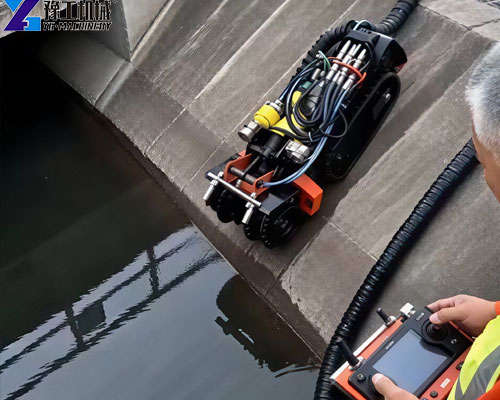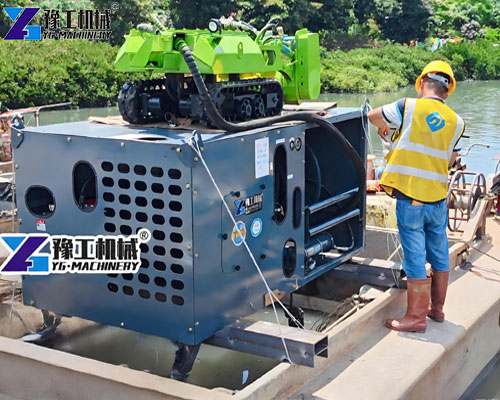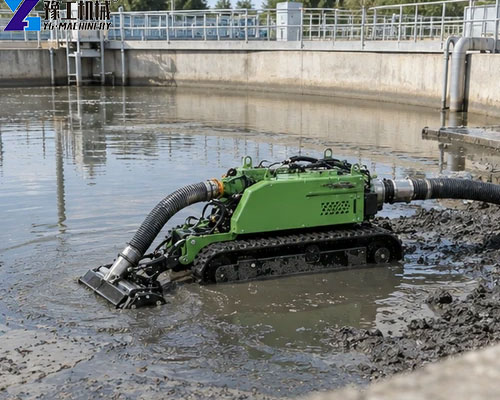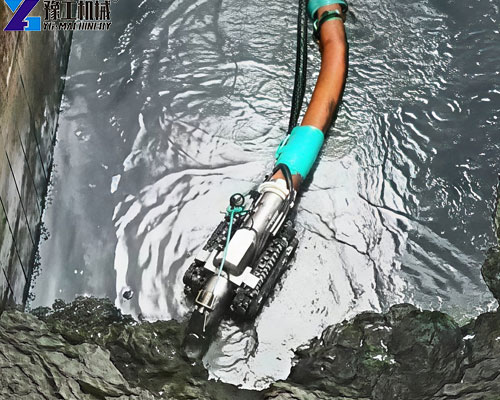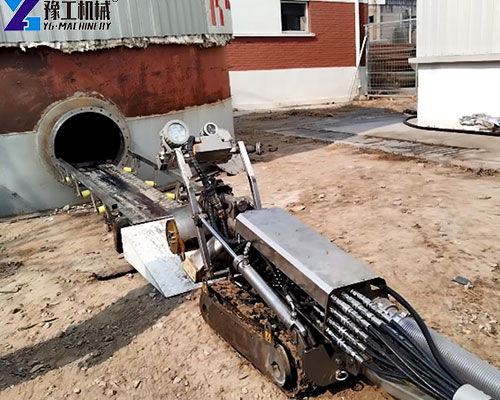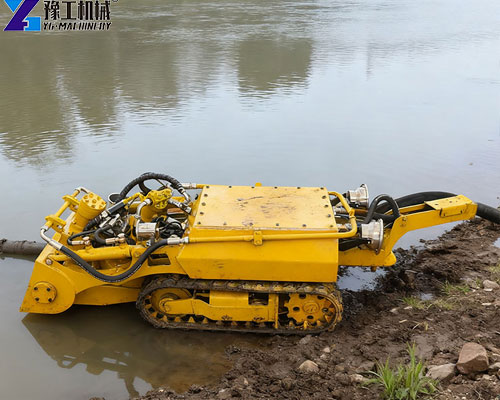
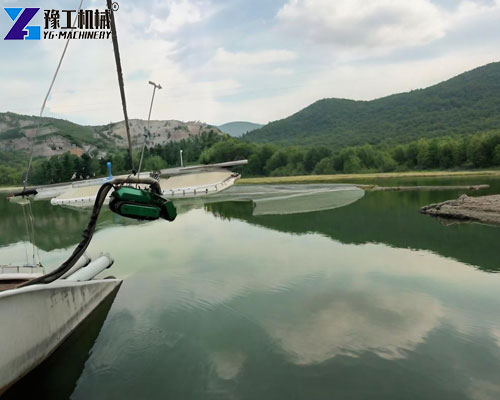
2026 April, A South African customer purchased a YG900 sludge cleaning robot from YG Machinery to restore a private lake affected by heavy sediment accumulation. With sludge buildup exceeding 1 meter, the lake required an efficient cleaning solution that could remove accumulated sediment without relying on oversized dredging equipment.
The YG900 crawler dredging robot combines wireless remote control, a 200 m³/h dredging pump, and a 900 mm dredging width to support lake sludge removal. After delivery, the customer reported stable dredging performance, effective sludge extraction, and straightforward remote-controlled operation.
This case demonstrates how a crawler-type sludge cleaning robot can help address sediment buildup in private lakes and similar water bodies.
South Africa Lake Restoration Project Overview
The customer used the lake for irrigation and recreation. Over time, sediment accumulated on the bottom, reducing the available water depth and making regular maintenance increasingly necessary.
The main challenges included:
- Heavy sludge accumulation: The sludge layer exceeded 1 meter, requiring effective sediment removal.
- Equipment access: Large conventional dredging equipment was not a practical fit for the project conditions.
- Operating costs: Renting larger machinery could increase the cost of maintaining a private lake.
- Operational control: The customer needed equipment that could be operated remotely during dredging.
After reviewing the project requirements and site conditions, YG Machinery recommended the YG900 crawler dredging robot for the lake restoration work.
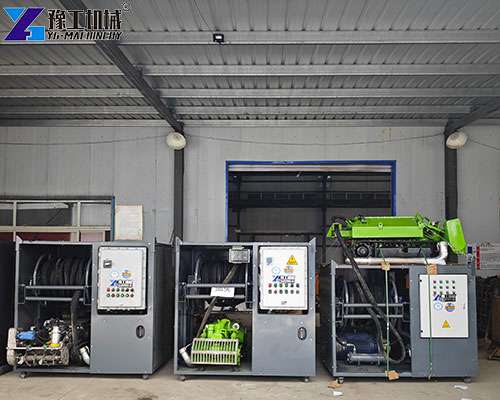
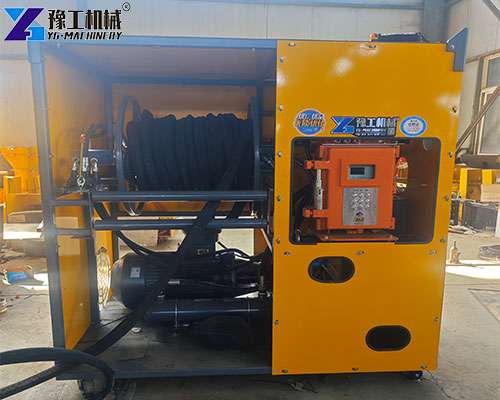
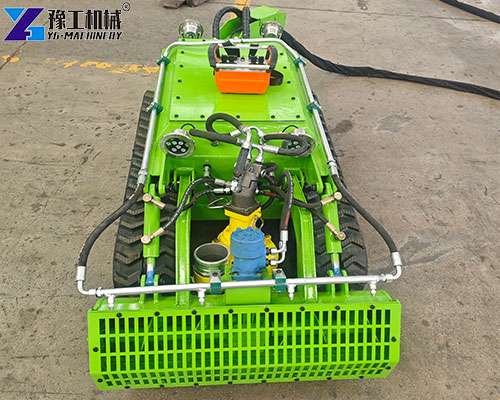
Why Choose the YG900 Sludge Cleaning Robot?
The YG900 is designed for sludge and sediment removal in suitable lakes, ponds, sediment collection areas, and other dredging environments. Its crawler structure supports movement across the working area, while the hydraulic dredging system loosens and pumps accumulated material through a discharge pipeline.
Key Features of the YG900
1. 200 m³/h Rated Pump Flow
The YG900 is equipped with a 4-inch dredging pump with a rated flow of 200 m³/h. Actual output depends on sludge composition, solids concentration, pipeline length, elevation, and other operating conditions.
2. 900 mm Dredging Width
With a nominal dredging width of 900 mm, the robot can work across a defined strip of lakebed during sediment removal. The appropriate operating pattern depends on lake geometry, sludge thickness, and site conditions.
3. Wireless Remote-Controlled Operation
The wireless remote-control system allows the operator to control the robot without continuously standing beside the machine. This supports more flexible operation around the dredging area.
4. Crawler Mobility
The crawler-type design helps the robot move across suitable underwater surfaces while carrying out dredging work. Actual mobility depends on bottom conditions, sludge consistency, and water depth.
5. Underwater LED Lighting
Two underwater LED lights help illuminate the working area when visibility is limited. Their usefulness depends on water clarity and suspended sediment.
6. Flexible Sludge Discharge Pipeline
The standard configuration can be supplied with an optional 30–50 m discharge pipe. The required pipeline length should be selected according to the discharge location, pumping conditions, and site layout.
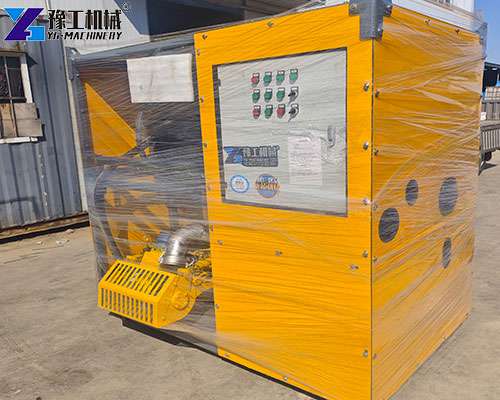
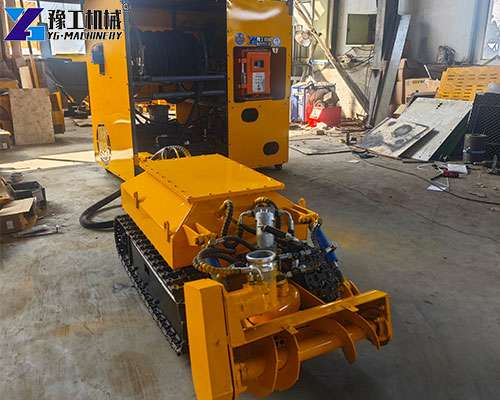
YG900 Sludge Cleaning Robot Specifications
The following table summarizes the main specifications of the YG900 supplied for this type of application.
| Parameter | YG900 Specification |
|---|---|
| Robot Dimensions | 1650 × 960 × 750 mm |
| Applicable Manhole / Access | ≥900 mm opening |
| Dredging Width | 900 mm |
| Travel Speed | 3–15 m/min |
| Pump Diameter | 4 inches |
| Rated Pump Flow | 200 m³/h |
| Pump Head | 0–25 m |
| Hydraulic Station Dimensions | 2200 × 1200 × 1700 mm |
| Main Motor Power | 22 kW |
| Hydraulic System Pressure | 0–16 MPa |
| Particle Size Capacity | Up to 50 mm |
| Winch Speed | 0–10 r/min |
| Discharge Pipe Length | 30–50 m, optional |
| Control System | Wireless remote control |
| Lighting System | 2 underwater LED lights |
Note: These are reference specifications. Actual performance depends on site conditions and equipment configuration. The robot and hydraulic station dimensions should be checked against the available access route and installation space before delivery.
On-Site Results After Delivery
After receiving the YG900, the customer received installation videos, online training, and operational guidance from YG Machinery.
During the first week of operation, the customer reported the following results:
- Water depth increased by 40–60 cm in the cleaned area.
- Sludge removal performance met or exceeded the customer’s expectations.
- The robot operated for extended periods with stable sludge discharge.
- The project did not require divers or large dredging vessels for the robot’s cleaning operation.
The customer also reported that the sludge cleaning robot helped reduce project time and costs compared with the alternatives considered.
The actual results depended on the conditions in the cleaned area and should not be interpreted as guaranteed performance for every lake restoration project.
Where Can a Sludge Cleaning Robot Be Used?
In addition to private lake restoration, crawler dredging robots can be considered for other applications where the equipment, pump, and access dimensions match the working conditions.
- Private lakes and estate ponds: Remove accumulated sediment to support ongoing lake maintenance.
- Agricultural reservoirs and irrigation ponds: Help restore usable water depth where sediment buildup affects storage.
- Municipal sediment basins: Remove accumulated sludge from suitable basins and collection areas.
- Industrial wastewater ponds: Handle compatible sediment and sludge, subject to material and site assessment.
- Mining sediment ponds: Support sediment removal where the material properties and equipment configuration are suitable.
Before selecting a model, evaluate sludge thickness, solids content, water depth, discharge distance, access dimensions, and the final disposal method.
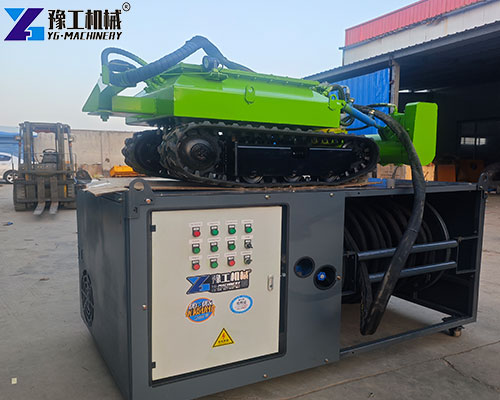
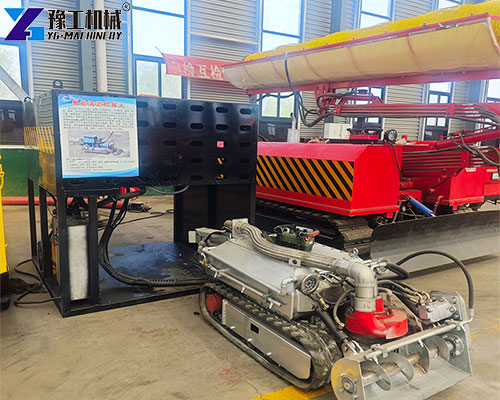
FAQ about Sludge Cleaning Robot
1. How thick a sludge layer can the YG900 remove?
The South African project involved a sludge layer exceeding 1 meter. The suitable operating method depends on sludge consistency, bottom conditions, and the required cleaning depth. A site assessment helps determine the appropriate configuration.
2. What is the pumping capacity of the YG900?
The YG900 has a rated pump flow of 200 m³/h and a listed pump head of 0–25 m. Actual flow at the discharge point varies with pipeline resistance, material properties, and operating conditions.
3. What access opening is required for the YG900?
The reference specification lists an access opening of at least 900 mm. The hydraulic station, hoses, and other components also require sufficient transport and installation space. Confirm the complete access route before ordering.
4. Can the YG900 operate remotely?
Yes. The listed control system is wireless remote control. Operators should receive equipment-specific training and follow the operating and maintenance instructions.
5. How long can the sludge discharge pipeline be?
A 30–50 m pipeline is available as an optional configuration. The appropriate length depends on the required discharge location, elevation difference, sludge characteristics, and pumping conditions.
Choose the Right Sludge Cleaning Robot for Your Project
The South African lake restoration case shows how a YG900 crawler dredging robot can support sediment removal where heavy accumulation and equipment access make conventional dredging less practical.
The right model depends on more than pump flow alone. Sludge thickness, material composition, water depth, discharge distance, and site access all affect equipment selection.
For a suitable recommendation, prepare the following project information:
- Lake or pond dimensions and water depth
- Estimated sludge thickness and material type
- Required cleaning depth
- Distance from the dredging area to the discharge point
- Available access opening and equipment entry route
Contact YG Machinery to discuss your lake sludge removal requirements and identify a suitable dredging configuration.
For more specialized dredging robot models and application solutions, explore Elephant Dredging’s dredging robot range.